 Back to Culture & Heritage
Stone Town, Zanzibar
Overview & Highlights
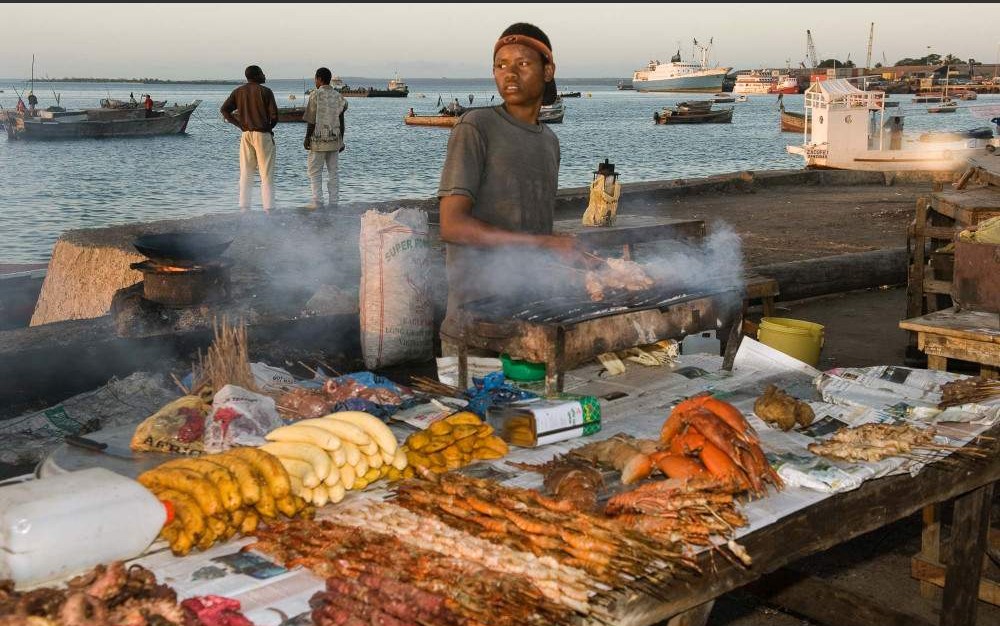
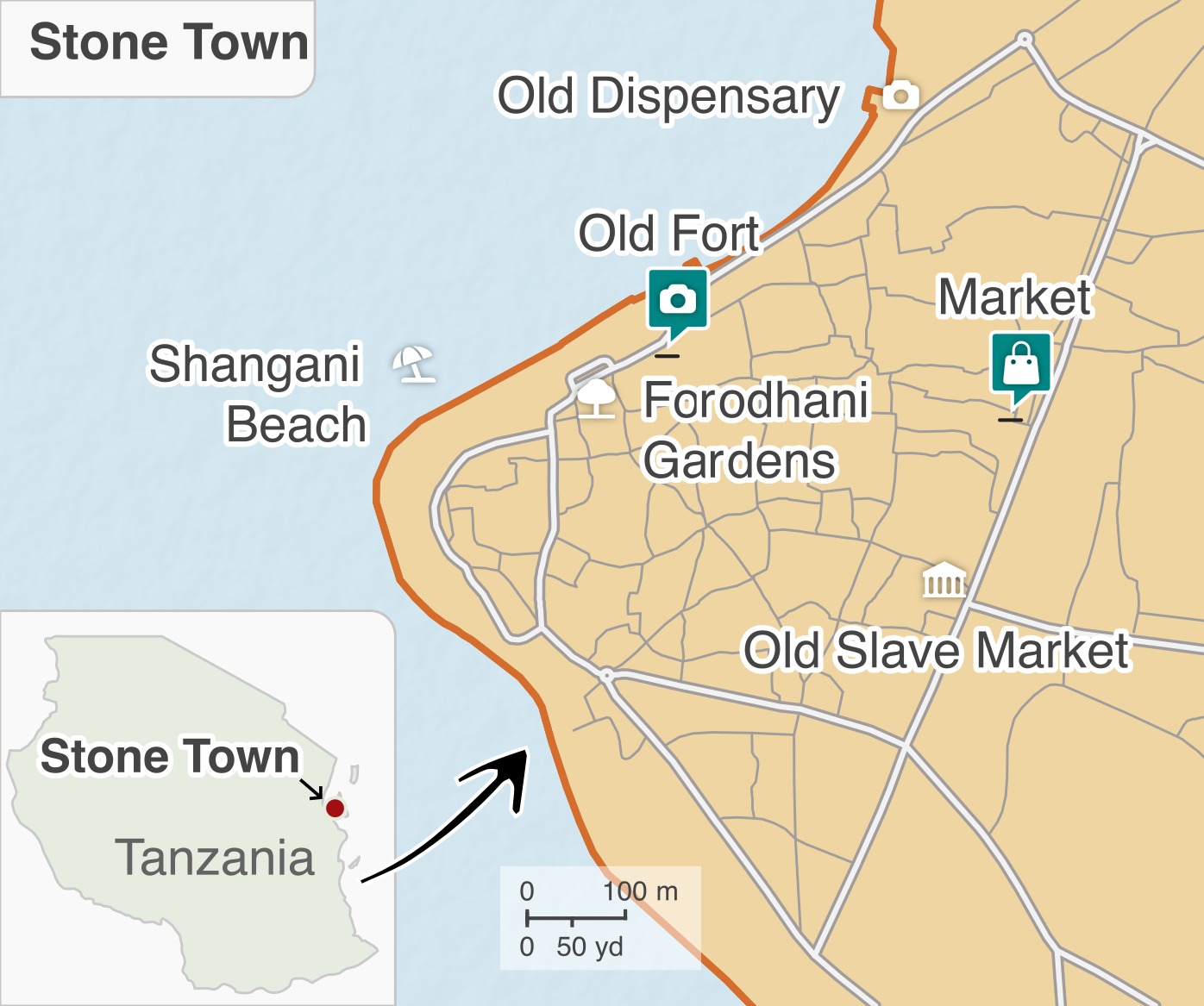
Stone Town is the historic and cultural heart of Zanzibar City, a UNESCO World Heritage site that weaves centuries of Swahili, Arab, Persian, Indian, and European influences. Characterized by an enchanting labyrinth of narrow coral stone alleys, bustling bazaars, and intricately carved wooden doors with protective brass studs, the town is a living monument to the Indian Ocean spice and maritime trade. Key architectural landmarks include the 17th-century Old Fort (Ngome Kongwe), the monumental House of Wonders (Beit-al-Ajaib), the Sultan's Palace Museum, and the moving Anglican Cathedral built over the former slave auction block. By day, Stone Town bustles with spice traders and artisans; by evening, locals and travelers gather on Shangani Beach and at Forodhani Gardens, which transforms into a celebrated open-air seafood night market caressed by cool Indian Ocean breezes.
Highlights & Key Activities
- Wander the winding alleys of the UNESCO World Heritage Stone Town
- Evening seafood barbecue & sugarcane juice at Forodhani Gardens
- Pay respects at the moving Old Slave Market Memorial & Anglican Cathedral
- Explore Omani history at the 17th-century Old Fort and House of Wonders
- Sensory exploration of spices, fruits, and fresh catch at Darajani Market (1904)
- Dhow excursion to Changuu (Prison) Island to feed giant Aldabra tortoises
What We Love
- Atmospheric UNESCO World Heritage alleys with magnificent carved wooden doors
- Celebrated waterfront sunset scene & seafood night market at Forodhani Gardens
- Profound historic resonance at the Old Slave Market & Anglican Cathedral
- Rich shopping for authentic Tingatinga art and Zanzibari spices along Gizenga Street
- Boutique hotels and rooftop dining housed in converted Omani palaces
Keep in Mind
- Easy to lose your bearings in the maze-like labyrinth of alleys
- Persistent street vendors and unlicensed touts near the ferry port
- Midday heat and humidity can be intense; best explored early morning and late afternoon
Best Things to Do in Stone Town, Zanzibar
Soak Up the Unique Vibe of the Alleys
Wander past brass-studded Zanzibari doors, coral stone archways, and vibrant coffee stalls at a relaxed 'pole pole' pace.
Chill at Harborfront Forodhani Gardens
By day enjoy leafy shade and billowing dhow sails; at dusk savor Zanzibari pizzas, skewers, and pressed sugarcane juice at the open-air market.
Pay Respects at the Old Slave Market & Cathedral
Stand where the last open slave auction took place in 1873, explore the underground holding cells, and tour the poignant museum.
Explore the 17th-Century Old Fort (Ngome Kongwe)
Built by Omani Arabs to defend against the Portuguese; now hosts an open-air amphitheater, art shops, and cultural festivals.
Browse the Bustling Stalls at Darajani Market
Built in 1904, this historic covered marketplace is the bustling epicenter of Zanzibar's clove, cardamom, nutmeg, and vanilla trade.
Visit the Freddie Mercury Museum
Located in the heart of Shangani in the rock legend's childhood family home, showcasing rare family photographs and memorabilia.
Sunset & Sea Breeze on Shangani Beach
Relax at waterfront cafes as traditional wooden dhows glide across the azure waters during golden hour.
Sail to Changuu (Prison) Island & Nakupenda Sandbank
Take a 30-minute wooden dhow trip to meet century-old Aldabra giant tortoises and snorkel over vibrant fringing reefs.
Best Time & Climate
Stone Town is an exceptional year-round cultural destination. The cooler long dry season (June to October) offers pleasant temperatures in the high 20s°C and minimal rainfall. The short dry season (January to February) is hot, sunny, and popular for pairing city exploration with beach getaways.
☀️ Dry Season
June to October (Cooler, breezy, low rainfall); January to February (Hot, sunny, clear skies)
🌧️ Wet Season
March to May (Heavy equatorial downpours); November to December (Brief short tropical showers)
Monthly Visitor Guide
Tropical coastal climate with warm temperatures year-round. Average daytime highs range from 28°C (82°F) in July to 33°C (91°F) in February.
Climate Chart (Temperature & Rainfall)
Getting There
Stone Town is situated on the western promontory of Zanzibar Island. It is easily accessible via international flights, domestic hops, or fast express ferries from Dar es Salaam.
Driving Routes Matrix
| Route From | Distance (km) | Est. Time | Road Condition |
|---|---|---|---|
| Dar es Salaam (Express Ferry) | 75 km | 1 hrs 30 mins | Modern fast catamaran sea passage (Azam Marine) |
| Zanzibar Airport (ZNZ) | 7 km | 0 hrs 15 mins | Paved tarmac road |
| Nungwi Beach (North) | 60 km | 1 hrs 15 mins | Paved tarmac highway |
✈️ Air Travel & Local Airstrips
Abeid Amani Karume International Airport (ZNZ) connects directly to Europe, the Middle East, and safari hubs like Arusha, Kilimanjaro, and the Serengeti.
Safety, Malaria & Guidelines
Operational Advisory
Always obey local safety parameters, environmental codes of conduct, and instructions from park rangers or guides.
Stone Town has a welcoming and close-knit community, making it one of East Africa's safest urban destinations. Violent crime against tourists is extremely rare. Daylight and early evening strolls along the main alleys and waterfront promenade are pleasant and safe. Late at night, avoid deserted dimly-lit alleys and take a registered taxi. In crowded shopping areas like Darajani Market, keep phones and wallets secure against opportunistic pickpockets. Out of respect for local Islamic culture and traditions, visitors should dress modestly outside beach areas (shoulders and knees covered for both men and women). Always hire official tour guides who display a valid Zanzibar Commission for Tourism license badge; decline persistent informal street touts ('papasi') with a polite but firm 'Hapana, asante' (No, thank you).
🦟 Malaria & Health Advisory
Malaria is present in most wildlife reserves in Tanzania. It is strongly recommended to consult a travel clinic for antimalarial prescription. Use mosquito repellent containing DEET and wear light-colored, long-sleeved clothes in the evening.
Recommended Safari Tours Visiting Stone Town, Zanzibar
 6 Days • luxuryFrom $3,113/pp
6-Day Luxury Safari All Inclusive
This 6-day luxury safari allows us to experience the highlights of the Northern Safari Circuit. We'll experience breathtaking wildlife in the midst of...
 10 Days • luxuryFrom $12,500/pp
The Great Migration Fly-In
Follow the herds via private charter flights between the Serengeti's most exclusive mobile camps. Includes all-access tracking.
 7 Days • luxuryFrom $7,200/pp
Serengeti to Zanzibar Fly-In
A luxury fly-in safari combining the wild plains of Serengeti with the pristine white beaches of Zanzibar.
 12 Days • familyFrom $5,400/pp
12-Day Bush to Beach Family Special
Combine the thrill of the Serengeti with the relaxation of Zanzibar’s white sand beaches. The ultimate family holiday.
TripAdvisor Traveler Reviews
Traveler reviews:
1. 'An absolute step back in time. The alleys are full of life, aromas of cloves and vanilla, and stunning Swahili doors. Sunset at Forodhani Gardens with fresh Zanzibar pizza and sugarcane juice was unforgettable.' (Rating: 5/5, Date: June 2026)
2. 'Fascinating and deeply moving history. The tour of the Old Slave Market and Anglican Cathedral was somber yet essential. Hiring an official guide gave us rich context we would have missed on our own.' (Rating: 5/5, Date: May 2026)
3. 'Best explored on foot with no set itinerary. The Freddie Mercury Museum is great fun, and the coffee shops on Hurumzi Street serve exceptional spiced coffee.' (Rating: 5/5, Date: April 2026).
Configure Adventure
Add this attraction to your trip dashboard. Once added, you can customize your overall budget.
Find Stays Near Attraction
Get real-time availability and discount rates for lodges near Zanzibar via the LiteAPI hotels engine.